Coffee Museum
Journey through the rich heritage of Philippine coffee culture.
Explore centuries of tradition, innovation, and the stories behind every cup.
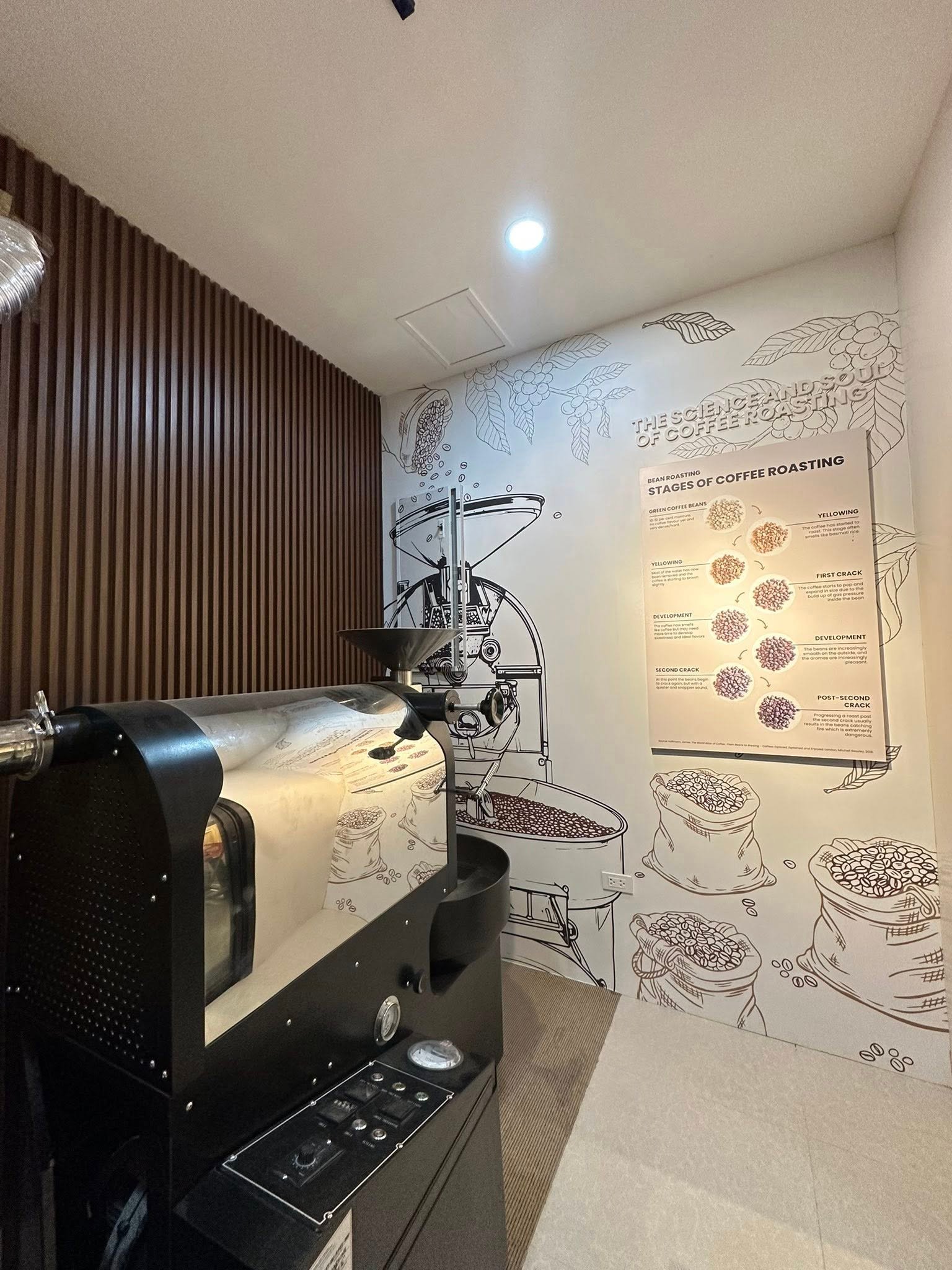
What You'll Discover
Immerse yourself in the world of Philippine coffee through our carefully curated exhibits
Heritage Collection
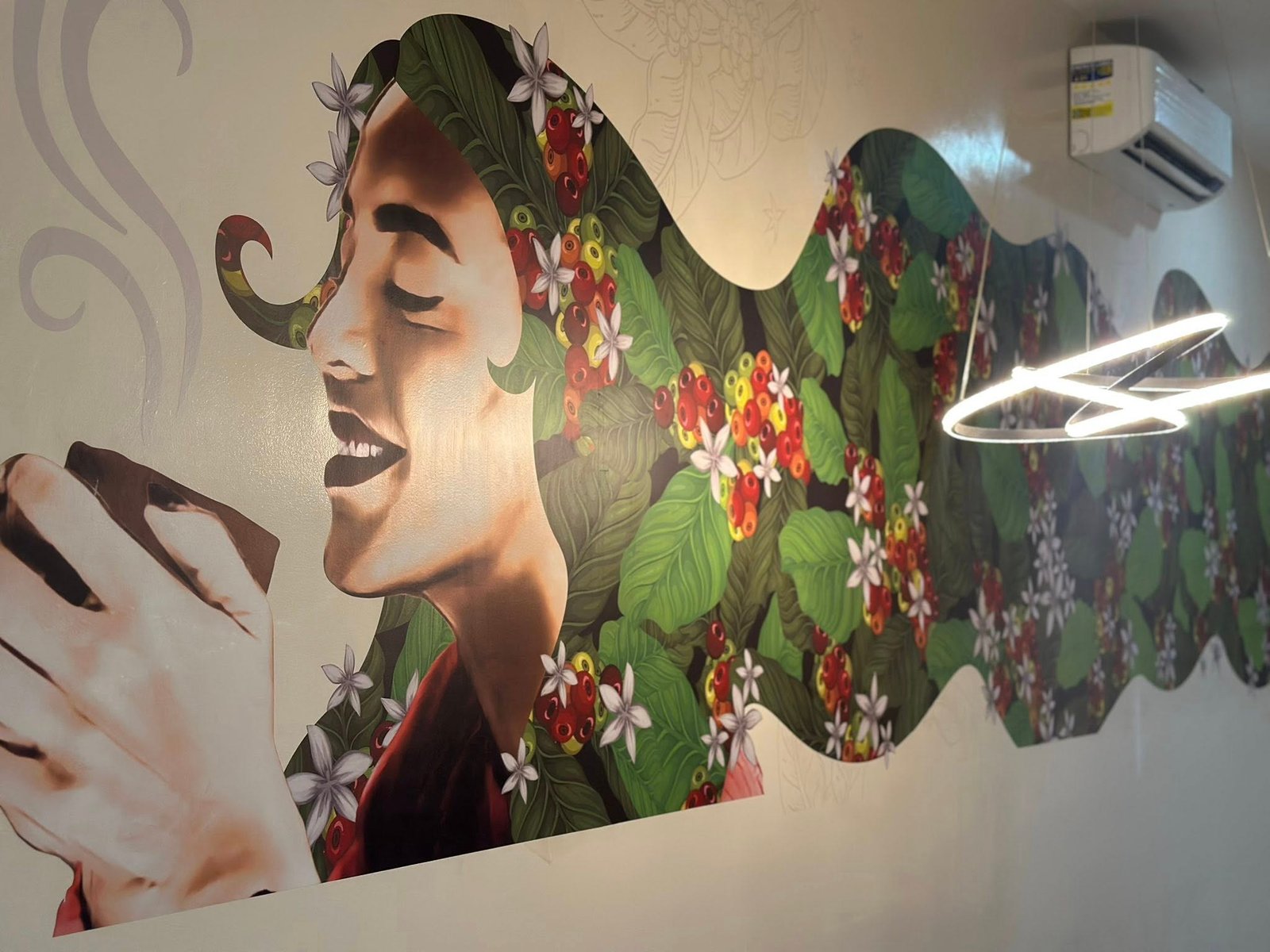
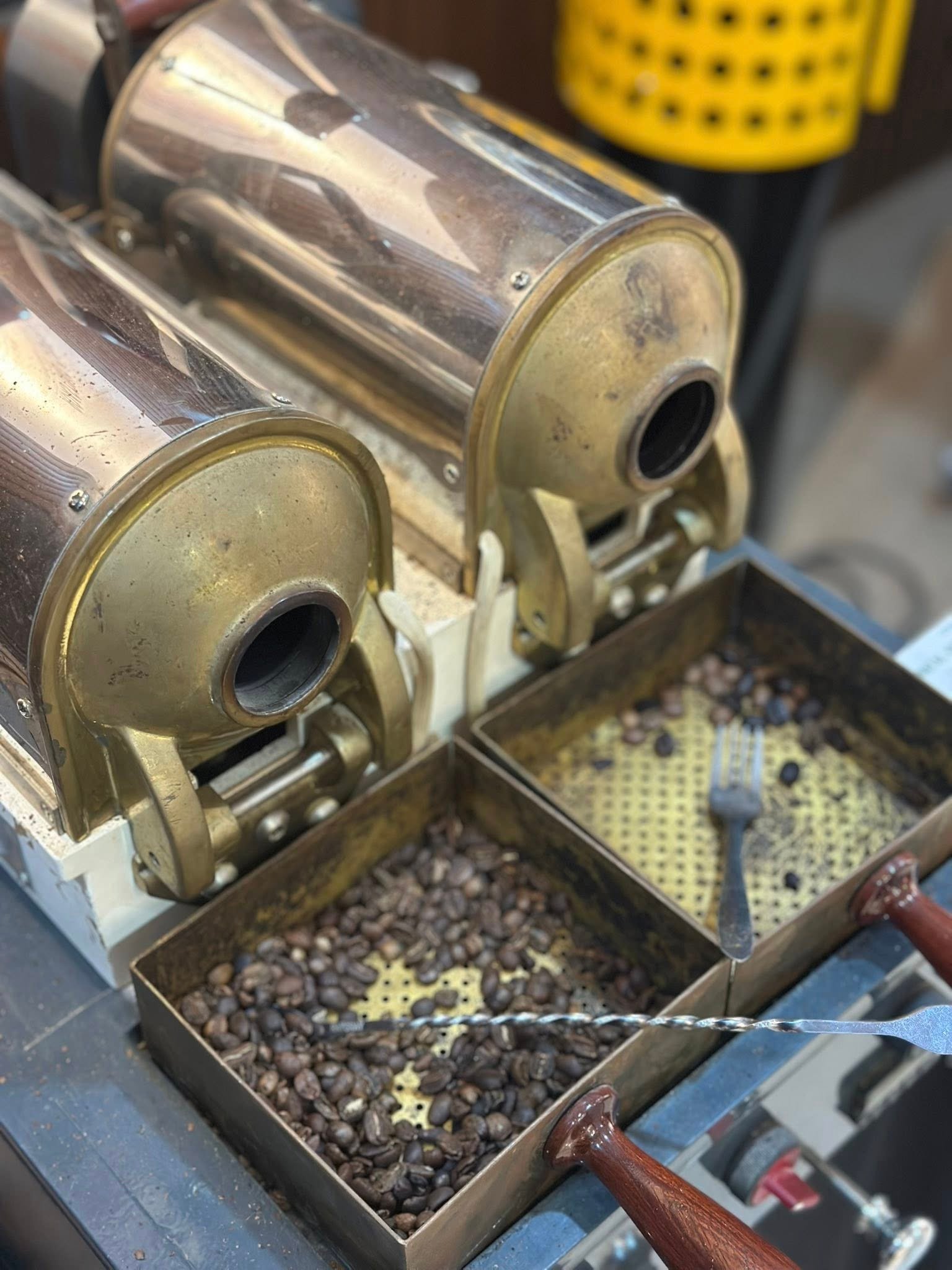
Rare artifacts and antique coffee equipment dating back to the Spanish colonial era, showcasing the evolution of Philippine coffee culture.
Bean Varieties
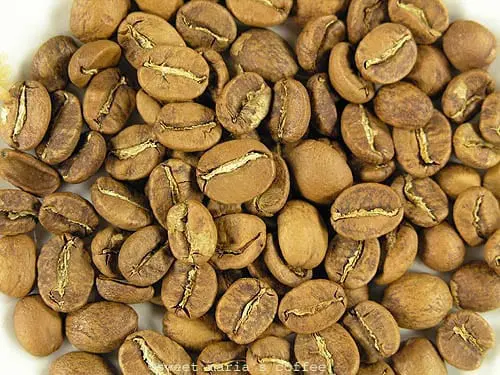
Comprehensive display of Philippine coffee varieties including Arabica, Robusta, Liberica, and Excelsa from different regions.
Interactive Experience
Engaging multimedia presentations and hands-on activities that bring the coffee journey to life for visitors of all ages.
Coffee Through Time
The fascinating history of coffee in the Philippines
Coffee Arrives
Spanish friars introduce coffee plants to the Philippines, beginning our coffee heritage.
Global Exporter
Philippines becomes the 4th largest coffee exporter in the world.
Coffee Renaissance
Revival of specialty coffee culture with focus on quality and sustainability.
The Sensory Lexicon
Explore the complex world of coffee flavors. This interactive wheel is based on the SCAA 2016 flavor standard, helping experts identify precise sensory notes during cupping sessions.
Click on a segment to explore sub-categories. Click the center to zoom out.
Interactive Lexicon
Click on any segment of the flavor wheel to view detailed sensory definitions and standard references.
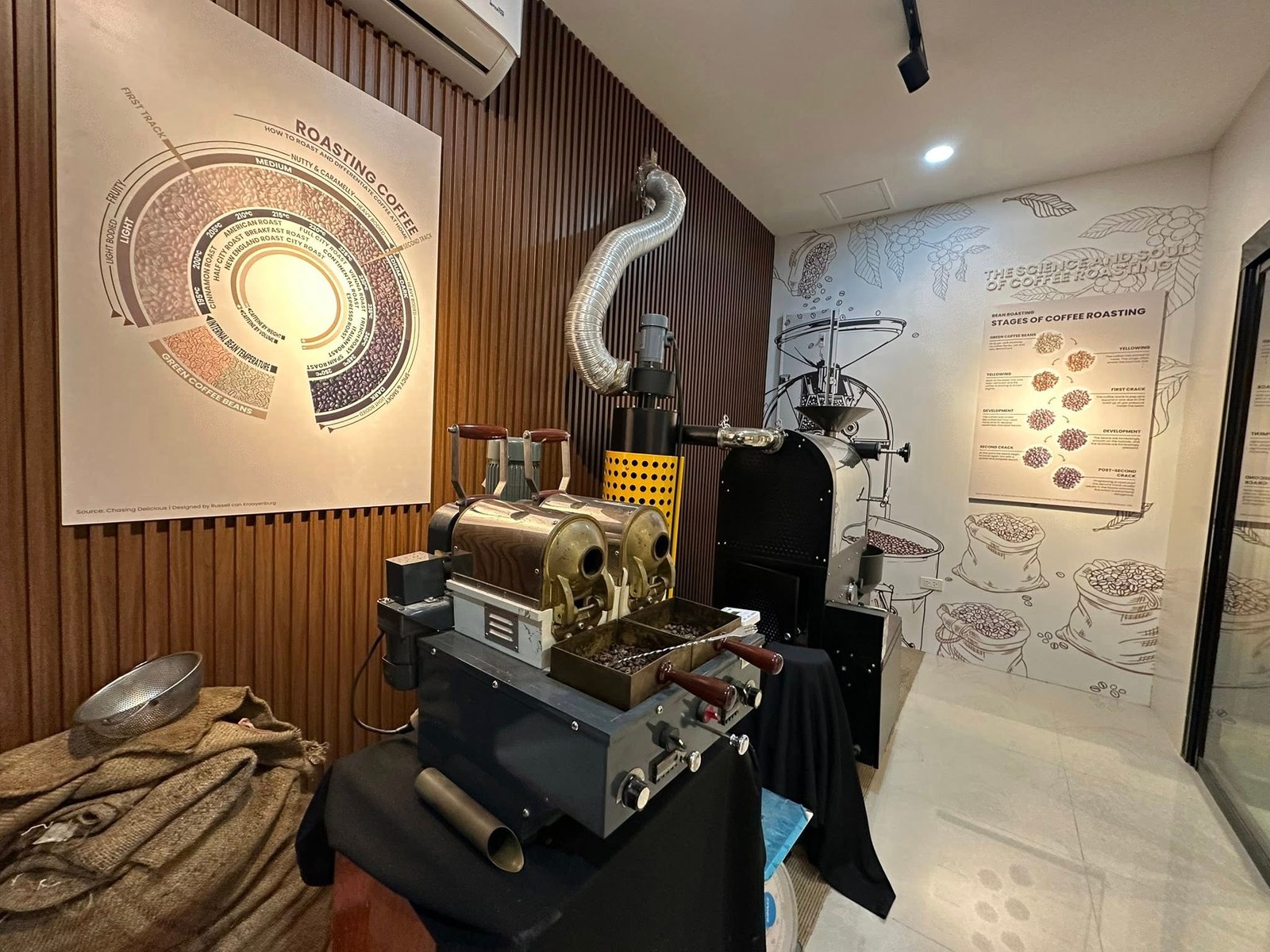
Bean Roasting
Stages of Coffee
Roasting
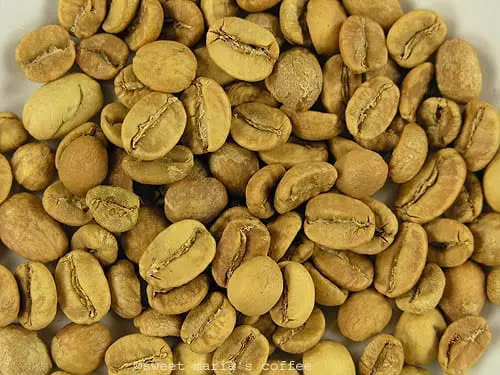
Green Coffee Beans

Yellowing
Yellowing
First Crack